Table of Contents
Bioblock Orthodontic Appliance Available at KarDent
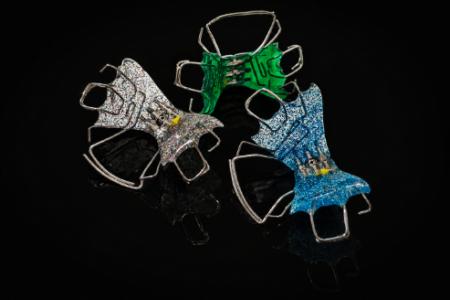
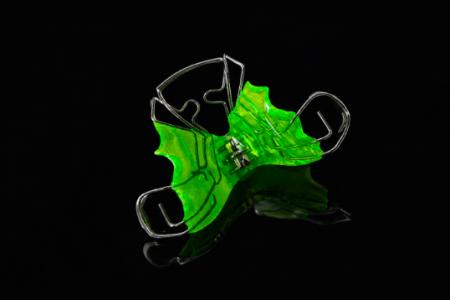
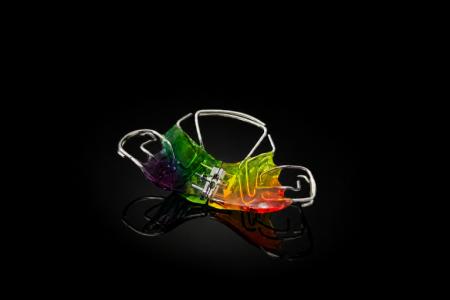
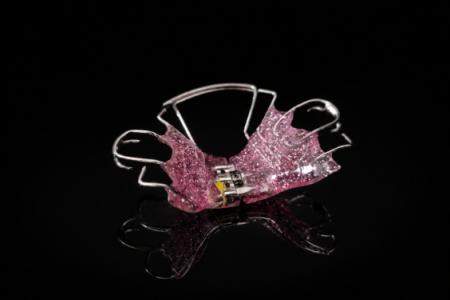
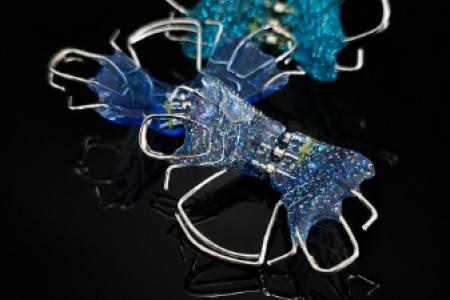
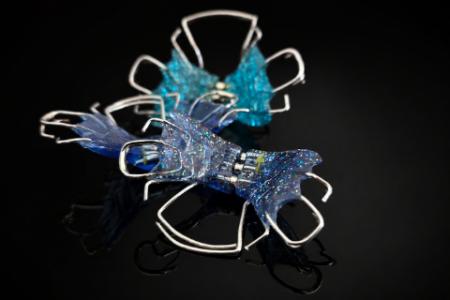
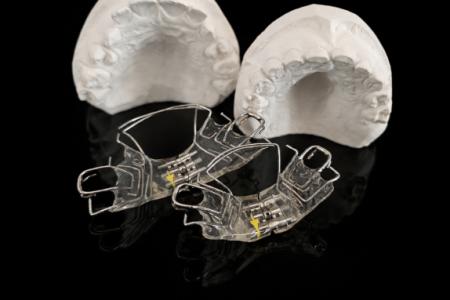
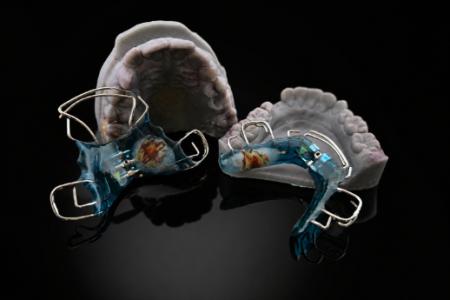
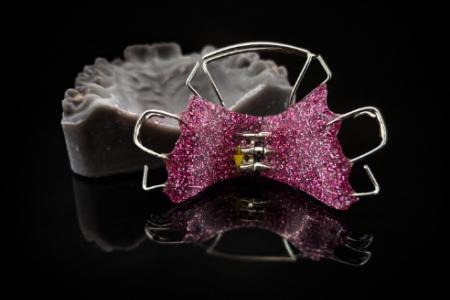
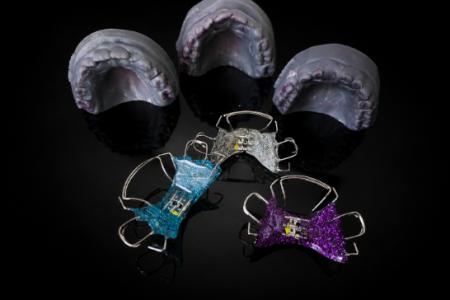
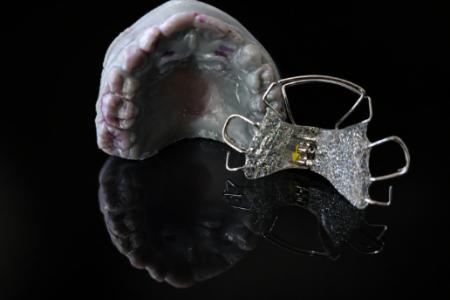
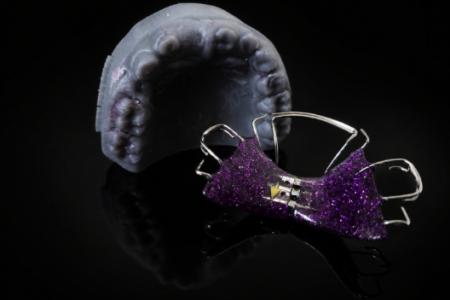
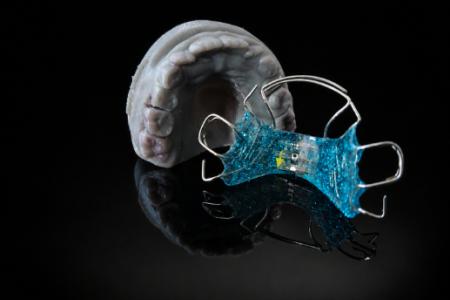
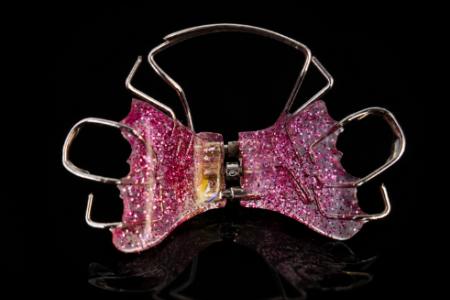
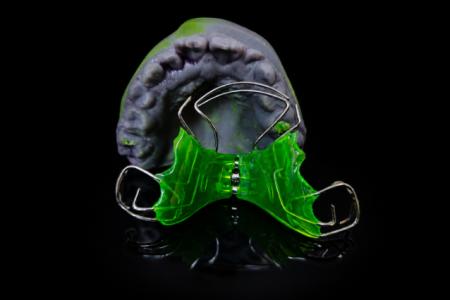
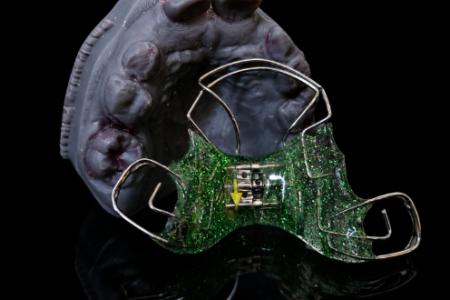
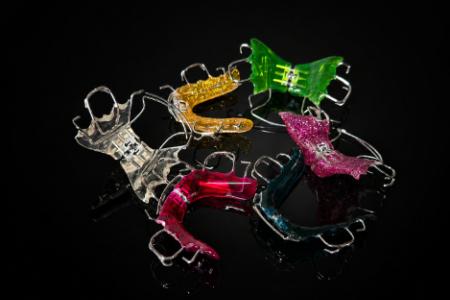
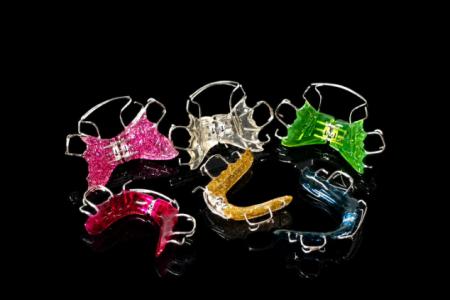
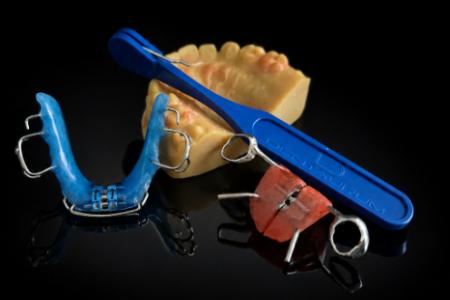
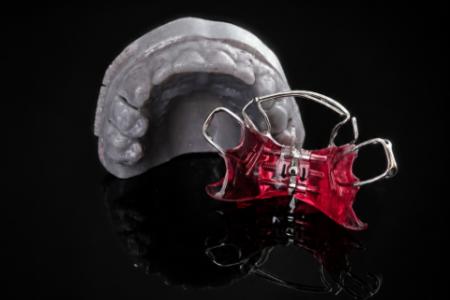
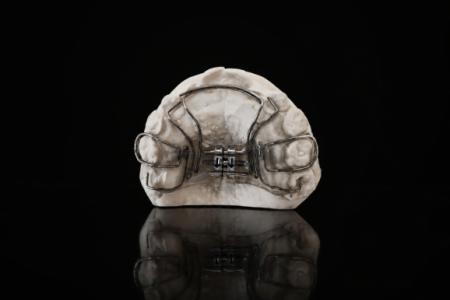
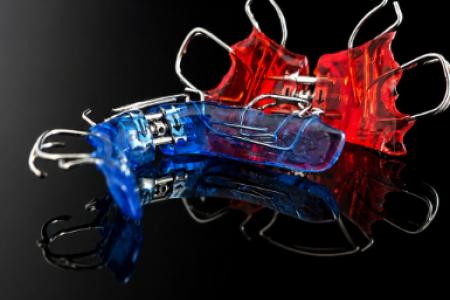
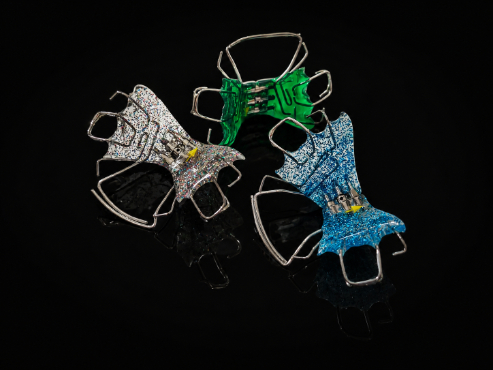
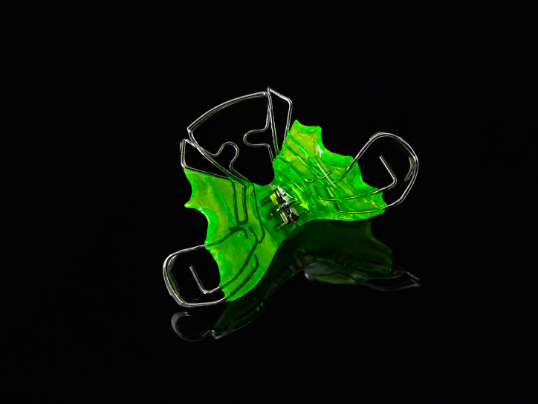
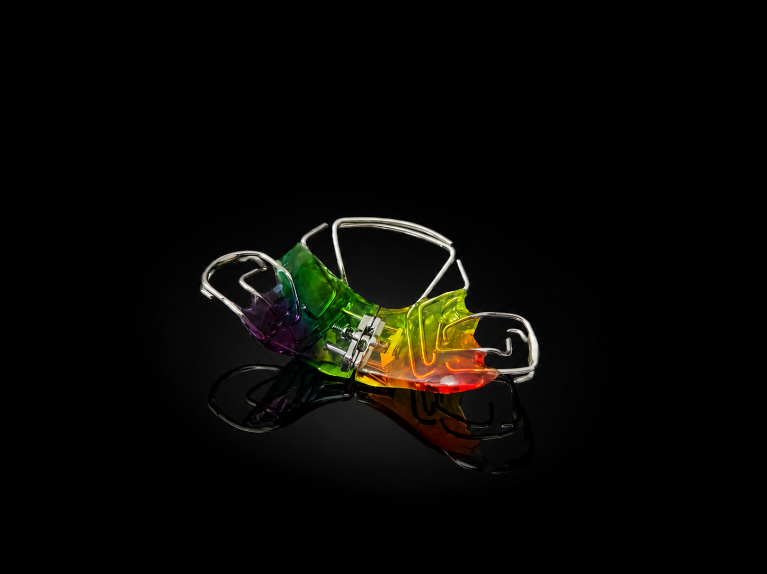
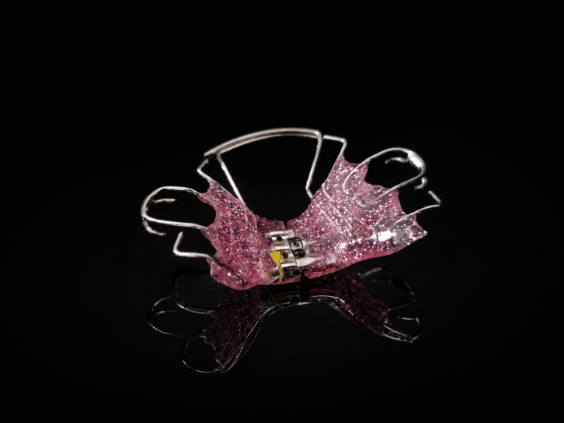
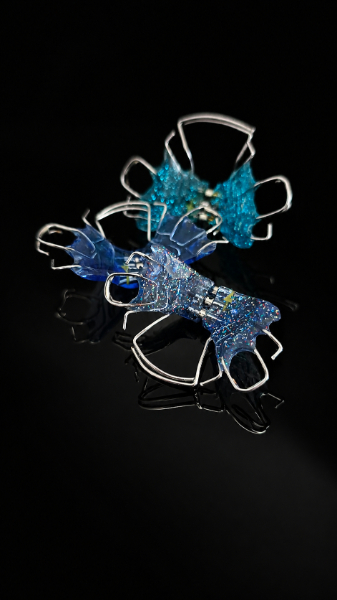
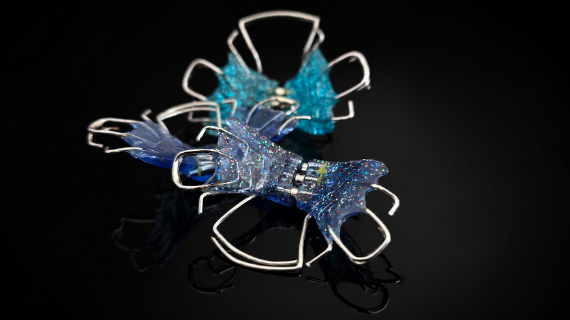
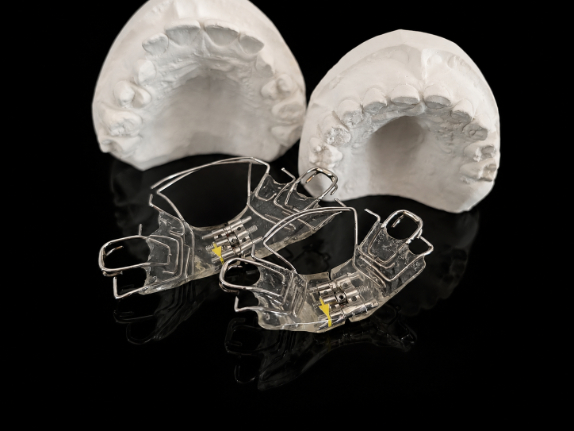
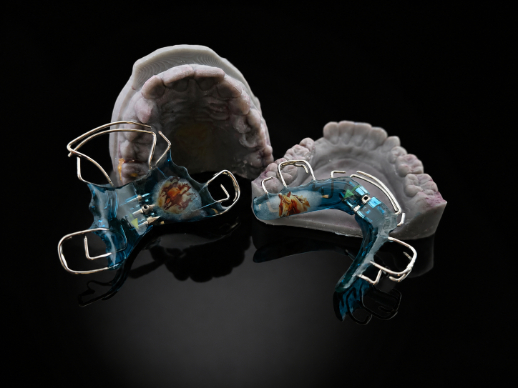
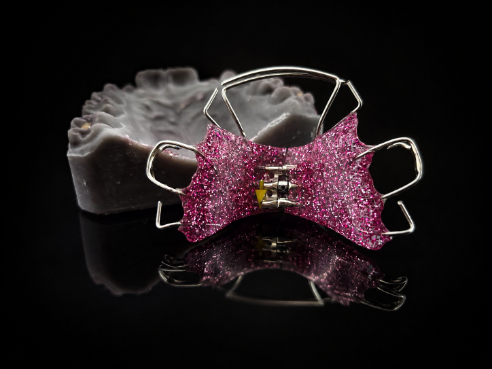
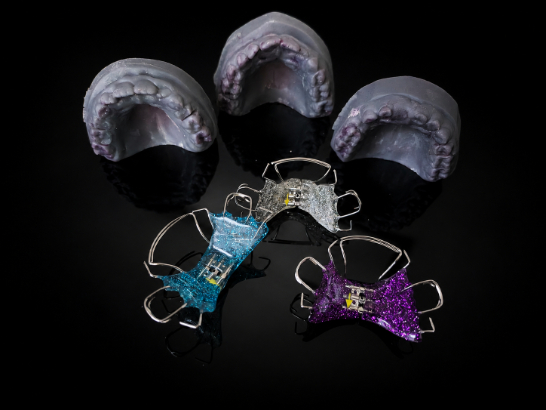
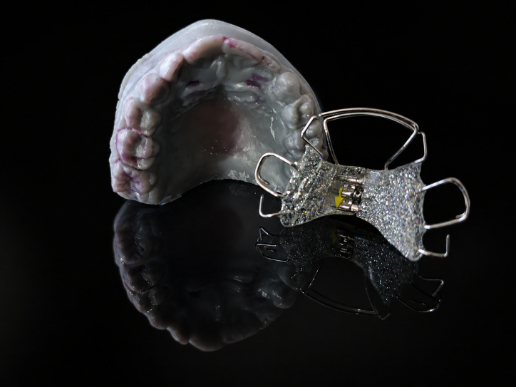
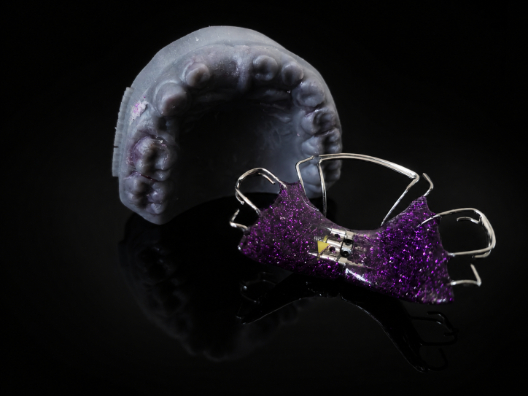
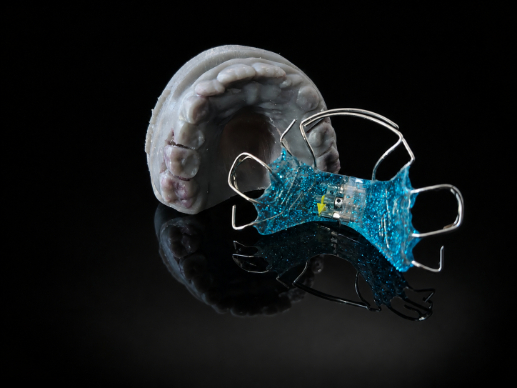
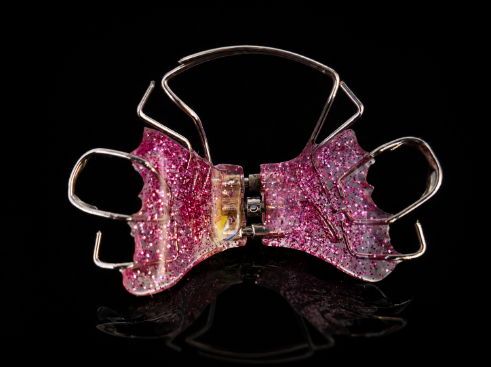
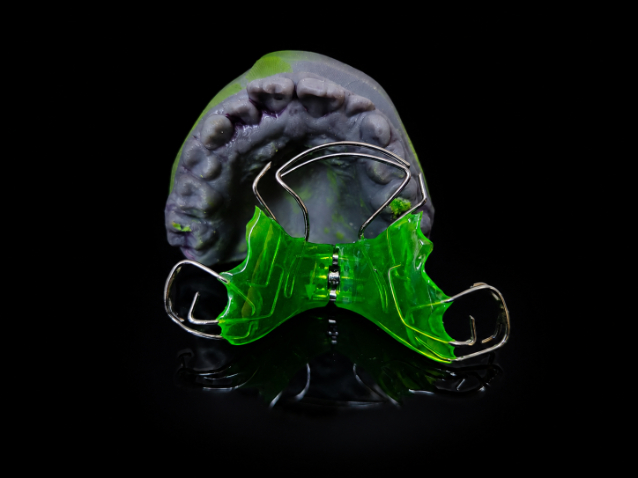
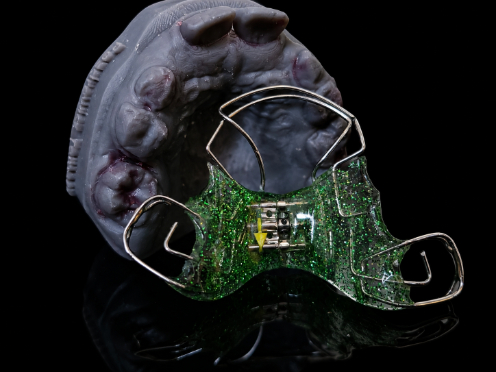
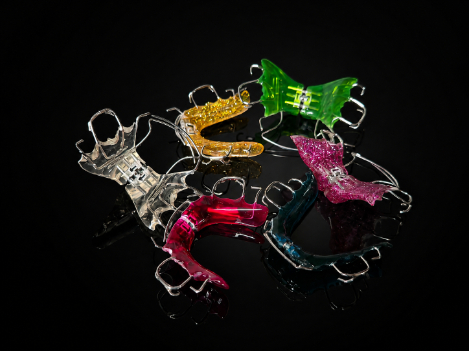
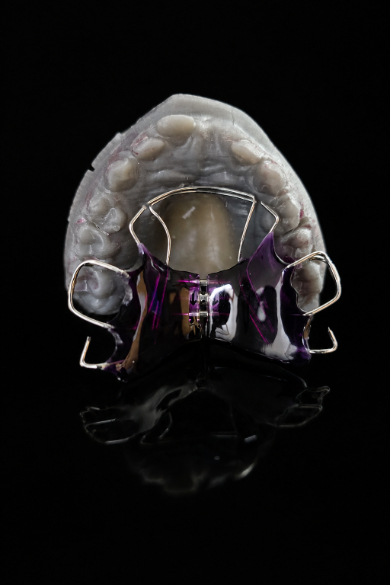
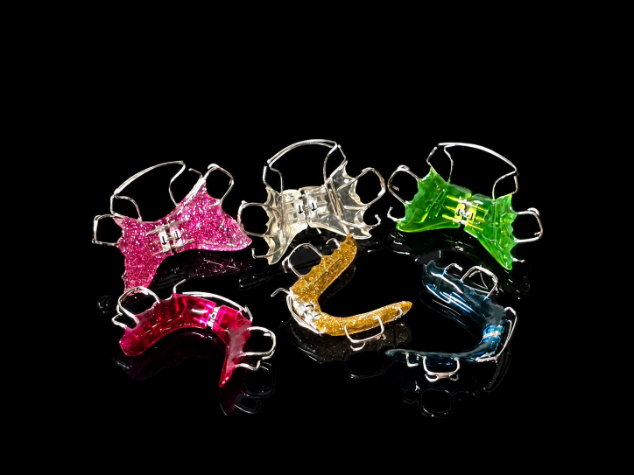
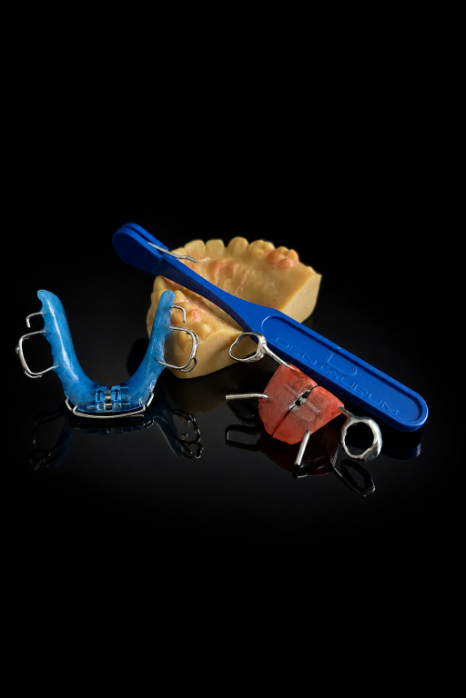
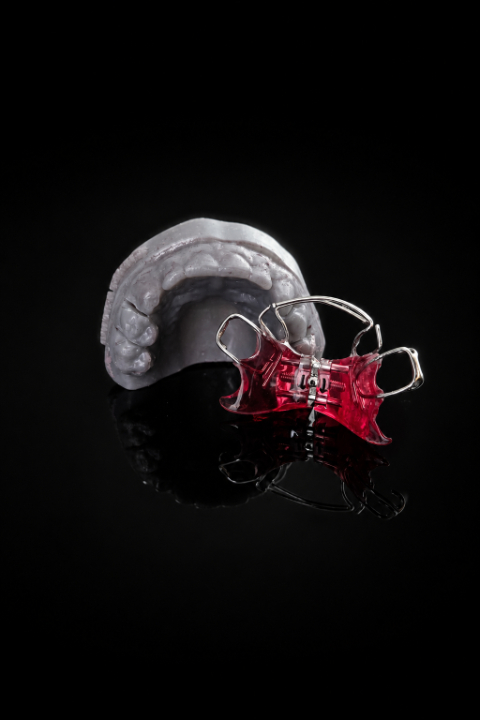
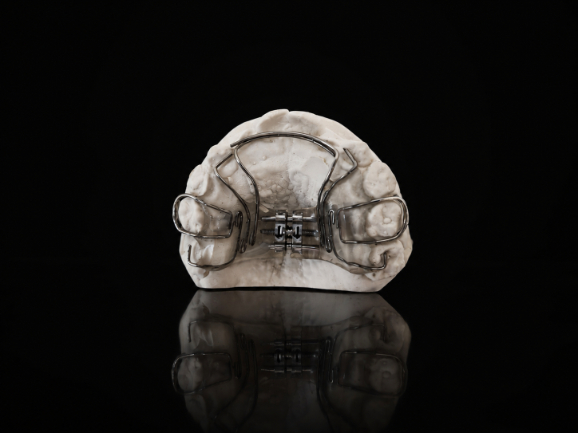
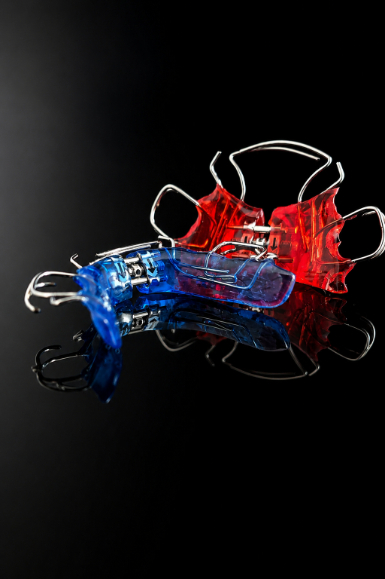
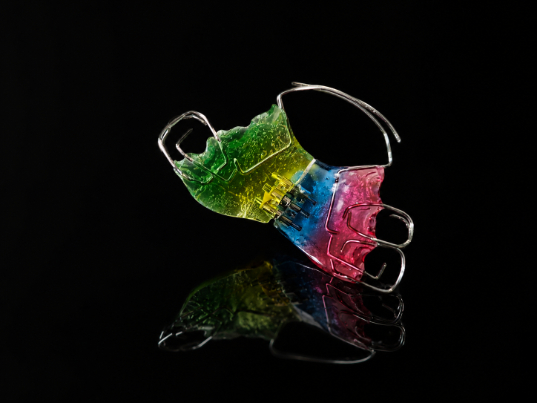
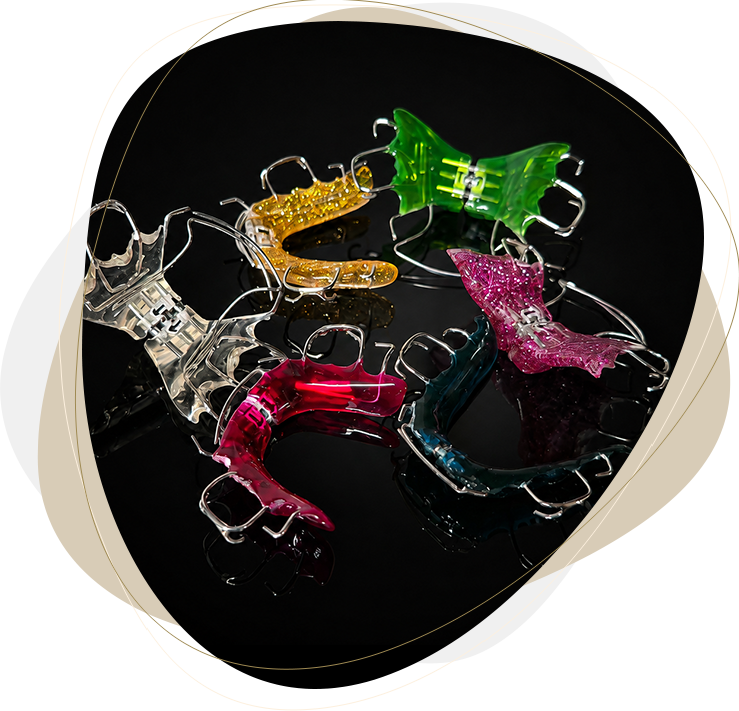
At the KarDent orthodontic laboratory, we manufacture modern Bioblock orthodontic appliances – individually adapted to the needs of each young patient.
This solution combines classical orthodontic knowledge with modern 3D technology, allowing for precise planning and fabrication of an appliance that supports proper craniofacial development.
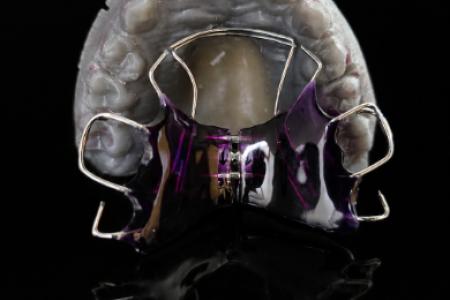
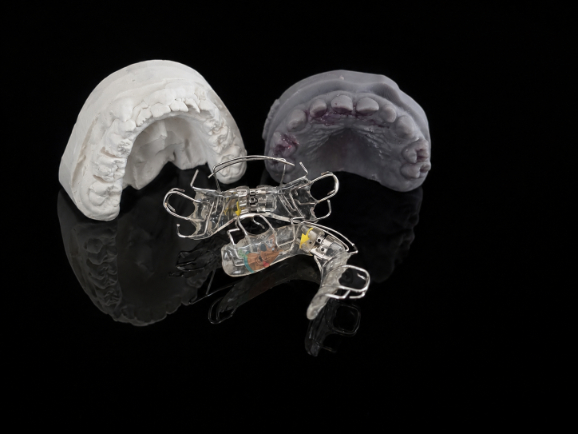
Bioblock appliances manufactured at KarDent Lab are produced using digital impressions, 3D printing technologies and advanced design software. This ensures optimal fit, high wearing comfort and effective therapeutic performance.
Each appliance is created in close cooperation with the treating orthodontist, according to the individual treatment plan of the patient.
Thanks to the experience of the KarDent team and the use of certified materials, Bioblock appliances are not only safe and durable, but above all effective in orthotropic therapy.
They help correct malocclusions at an early age by supporting the natural development of the maxilla, mandible and proper muscular and respiratory functions.
👉 Contact us if you would like to learn whether a Bioblock appliance is suitable for your child, or if you are an orthodontist interested in ordering such an appliance from our laboratory.
Bioblock Appliance – What It Is and Why It Is Worth Considering
aparat-ortodontyczny-bioblok
Definition and origin
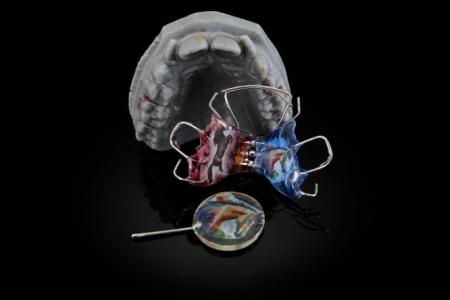
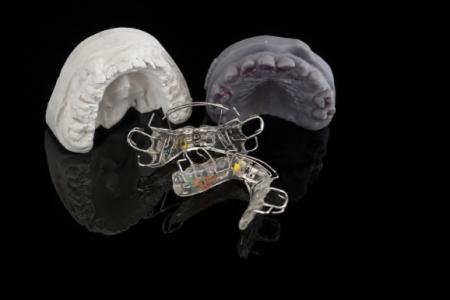
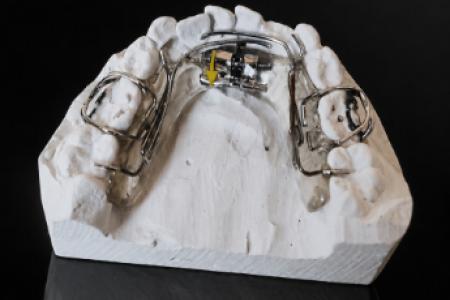
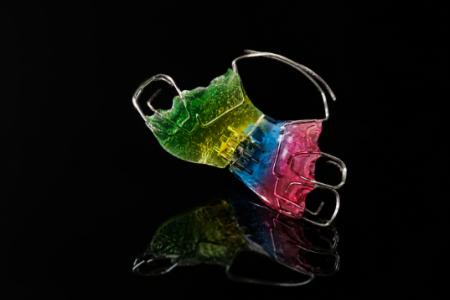
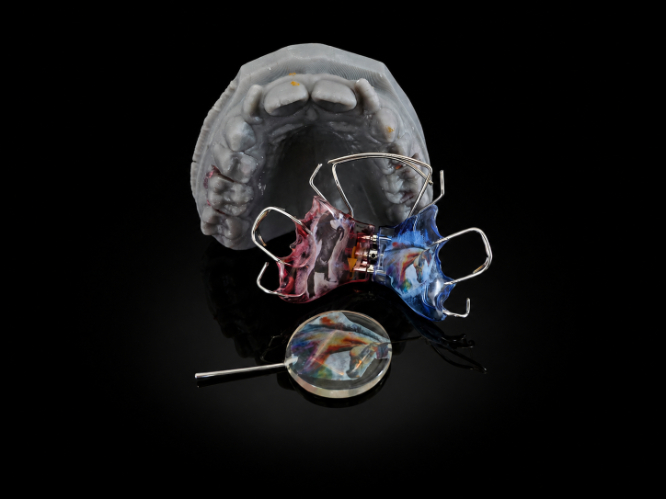
The Bioblock appliance (sometimes referred to as “Biobloc” or “Bioblock 1”) is a removable orthodontic appliance used primarily in children during the growth period (approximately 4–10 years of age). Its purpose is not only to influence tooth position but primarily to affect the growth and development of the craniofacial complex.
The method originates from the concept of orthotropics, developed by British orthodontist and researcher John Mew. He observed that many malocclusions and tooth alignment problems originate from narrow dental arches, improper tongue posture, muscular dysfunction or inadequate development of the maxilla and mandible, rather than from tooth displacement alone.
When is Bioblock used?
– In children when early signs of malocclusion are observed (e.g. dental crowding, narrow arches, mouth breathing, abnormal swallowing patterns, incorrect tongue posture).
– During the developmental phase of the craniofacial skeleton, when it is possible to influence not only tooth position but also skeletal growth.
– As a removable appliance intended to be worn 24 hours a day (except for short removal periods), providing continuous influence on craniofacial structures.
How does it work? Mechanisms of action
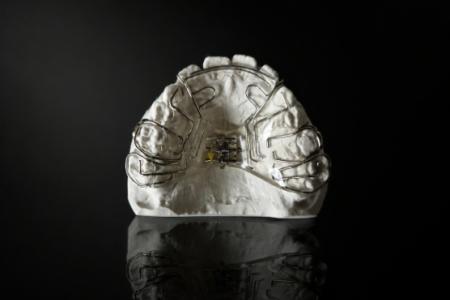
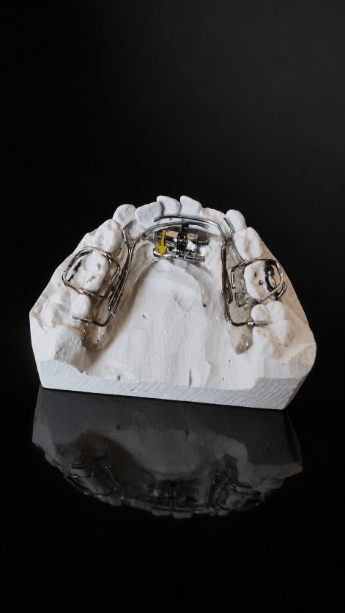
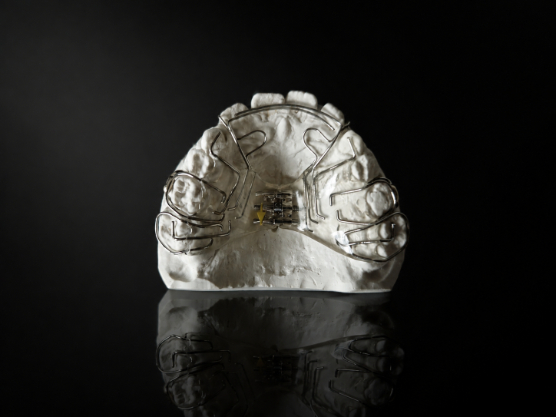
Due to the design of the Bioblock appliance, the dental arch space is expanded, creating more room for the tongue. This promotes proper tongue posture against the palate and improves muscular function.
The appliance influences the growth of the maxilla and mandible in a favorable direction (e.g. forward and laterally), rather than allowing retrusive or unfavorable growth patterns.
Continuous or near-continuous wear results in lower but long-acting forces, which according to orthodontic principles may lead to more effective and stable changes compared to appliances worn for limited hours per day.
Bioblock therapy also supports nasal breathing, proper tongue posture and balanced muscular function, which may reduce malocclusions associated with functional disorders.
Key benefits
Early intervention – Bioblock allows treatment during the period of greatest developmental plasticity of the maxilla and mandible, potentially resulting in simpler and shorter treatment compared to later stages.
Holistic approach – The appliance does not merely align teeth but addresses underlying functional and skeletal factors influencing occlusion, increasing the likelihood of stable long-term results.
Preventive potential – In many cases, Bioblock therapy may reduce or delay the need for fixed orthodontic appliances, offering a less invasive treatment pathway for the patient.
Functional improvement – Enhanced nasal breathing, improved tongue posture and better overall posture contribute not only to dental alignment but also to general health and development.
Patient cooperation – The active participation of the child and parents in appliance wear often increases treatment engagement, positively influencing outcomes.
Patient guidance
Initial discomfort may occur when wearing the appliance continuously, including temporary speech difficulties or awareness of the appliance in the oral cavity. Most children adapt within 1–2 weeks.
Consistency of wear is critical. Irregular use or frequent removal of the appliance may significantly reduce treatment effectiveness or prolong therapy.
Close cooperation between the orthodontist, child and parents is essential. Parents often assist with appliance activation (e.g. expansion screw adjustments) and adherence to follow-up visits.
Oral hygiene must be emphasized. Removable appliances require proper cleaning and maintenance to prevent caries or hygiene-related complications.
Timing of treatment is important. Therapy should ideally begin when malocclusion signs are detected during growth. The orthodontist determines the optimal starting point.
Potential limitations and considerations
produkcja-aparatow-ortodontycznych
Not every patient is a suitable candidate. In advanced malocclusions or after the growth phase, Bioblock therapy alone may be insufficient, and fixed or hybrid treatment options may be required.
Bioblock therapy requires a high level of cooperation. Unlike fixed appliances, the child must actively participate in wearing and activating the device.
Adaptation may initially be challenging, with temporary discomfort related to speech or eating during the first days.
Treatment outcomes depend strongly on wear time and correct usage. Limited wear significantly reduces effectiveness.
Why include Bioblock in your orthodontic offering?
As an orthodontic laboratory specializing in digital technologies, 3D printing and appliance customization, Bioblock fits seamlessly into a modern, patient-specific treatment philosophy.
Offering comprehensive therapy options that influence not only dental alignment but also craniofacial development, posture and respiratory function enhances the professional profile of both laboratory and clinical practice.
For laboratories involved in education and training, Bioblock therapy provides valuable clinical and technological content related to digital planning, scanning and 3D manufacturing.
The ability to communicate a strong message—“modern technology combined with early intervention for long-term patient benefit”—supports E-E-A-T principles (expertise, experience, authority and trust) and strengthens online presence.
Clinical cooperation and therapeutic objectives – Case example from Poznań
An 8-year-old patient presented at a reputable orthodontic clinic in Poznań with mandibular retrusion, a narrow maxillary arch and anterior dental crowding. Additional findings included mouth breathing, incorrect tongue posture and mild postural disturbances.
The therapeutic goal was not limited to tooth alignment but focused on harmonizing facial growth and restoring proper muscular and respiratory function. Following orthodontic analysis and consultation with KarDent laboratory, a Bioblock appliance was selected to address the underlying causes rather than symptoms alone.
Appliance design and fabrication – precision through 3D technology
The orthodontic clinic provided a digital intraoral scan to KarDent laboratory in Luboń. The appliance was designed using CAD/CAM technology by the dental technician team under the supervision of MSc Eng. Dental Technician Karolina Byczkowska-Wojciechowska.
➡️ The appliance was manufactured using 3D printing technology, ensuring precise anatomical adaptation.
➡️ Biocompatible materials were used to guarantee safety and comfort.
➡️ The appliance was lightweight, aesthetic and easy to maintain.
Treatment course
During the initial weeks, the patient adapted well to the appliance. Parents received detailed instructions on appliance activation and maintenance.
Over subsequent months, gradual improvements were observed:
– maxillary arch expansion
– forward development of the mandible
– improved nasal breathing
– stabilization of tongue posture
– enhanced facial aesthetics
Follow-up visits were scheduled every 3–4 weeks, with continuous communication between the clinic and KarDent laboratory ensuring precision and consistency.
Results after 8 months of treatment
After eight months, treatment outcomes were consistent with the initial plan:
✅ Proper arch expansion and natural dental alignment
✅ Forward mandibular positioning and improved facial profile
✅ Exclusive nasal breathing, improving sleep quality and concentration
✅ Balanced facial proportions and symmetry
✅ Reduced likelihood of future fixed appliance treatment
The treating orthodontist emphasized that the synergy of 3D technology, technical expertise and close laboratory–clinic collaboration was the key factor in achieving successful outcomes.
Summary
This case study demonstrates that early Bioblock therapy combined with modern laboratory technology enables stable functional and aesthetic results. Collaboration between the orthodontic clinic in Poznań and the KarDent laboratory in Luboń exemplifies how contemporary orthodontics can be precise, effective and minimally invasive.